
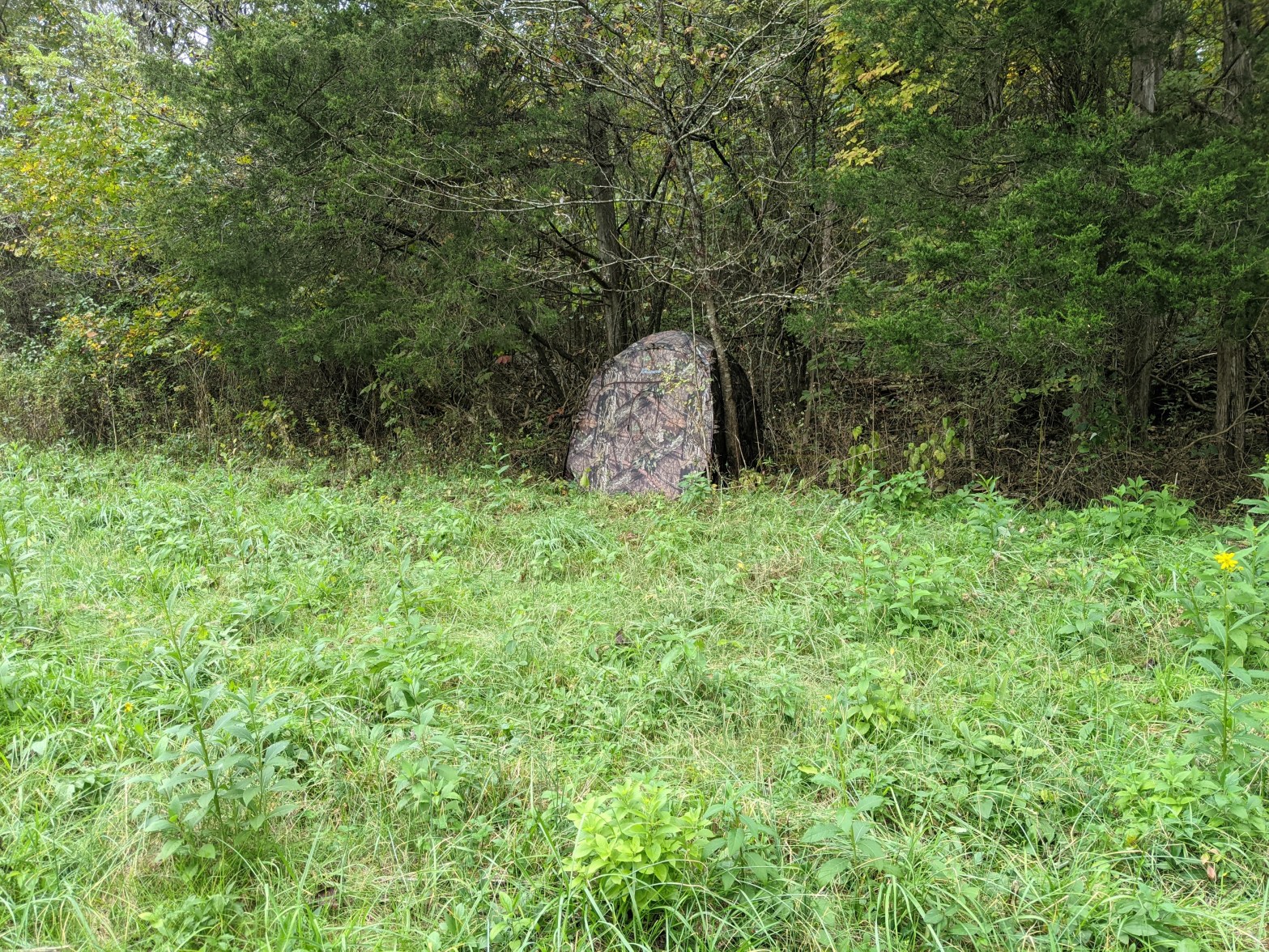
This is, BY FAR, the most overlooked component of designing a property that grows a huntable and healthy deer herd. You can have the best food plots in the county, but if mature bucks do not feel safe on your land, they will not use it during daylight hours. Period. I will confess something to you – this is one of those lessons that I have learned the hard way many, many times.
I grew up hunting a farm with a TON of potential and it is still one of my favorite places to hunt when I get the opportunity. Call it nostalgia. The 31-acre property was roughly shaped like a football that laid east to west with a road along the southern border of the property. Two of the main stands on this property were along the northern border of the property. One stand was in a small clearing, and the other was overlooking a 1.25-acre food plot. When we would go and check our trail cameras, there would always be plenty of daytime buck movement throughout this property. On top of that, there were always a few doe family groups visiting our mineral sites and food plots. However, when I would finally get the opportunity to go hunt it, it was like the deer simply evaporated. I remember being so frustrated with constantly having deer on camera but never seeing them when I hunted. I wasn’t the most analytical person at the time. It was not until I moved out of the state did I see where I was going wrong for so many years. To access either of those stands, I would walk the logging road through the middle of the property to get there. Little did I know, this logging road went between two major bedding areas and forced me to approach the stand from the direction I was hoping the deer would come from.
In short, I was ruining my hunt before ever getting to my stand because of my access. By the time I got to my stand I had walked through multiple bedding areas and covered a third of the property with my scent. No wonder I wasn’t seeing many deer. There isn’t really any room for mistakes in this area if your goal is daytime mature buck movement on your property.
One thing that has changed the way I deer hunt is to think about hunting like this: a deer’s survival depends largely on its ability to sense danger when something isn’t right. As hunters, we need to understand that a deer’s environment is its home. It knows its home as much as you know yours. When something looks weird, smells weird, or sounds weird in your home, you take note. You know when something isn’t quite right about your own home. Deer are the same way. They know when something is off, and because their #1 goal throughout the day is surviving, they will likely avoid you, just like they would avoid any other predator.
One mistake I see (and make) a lot is this: The actual tree stand or blind is in a good location, but by the time the hunter gets there, he or she has already blown out the area by being smelled, heard, or seen by the deer. The outfitters in the fantasy-land world who own thousands of acres can get away with these mistakes because they can just move on to the next buck. Most hunters I know do not have that privilege. I certainly don’t. Whether you are hunting 5, 50, or 500 acres, your access will directly affect your success. On top of all of that, you still have your air thermals to worry about.
At GLC, we know that access onto your land can make or break your deer herd. I have personally learned that lesson the hard way. We want to help you design your hunting parcel to achieve two major goals: placing stands/blinds in strategic locations and designing access routes into those stands that keeps you from being heard, seen, or smelled. It’s easy to follow the same logging road through the heart of the same property to climb in the same treestand you have for years, but it’s effective to put in the work in and access your stands like a predator.
 Genetics Land Consulting