
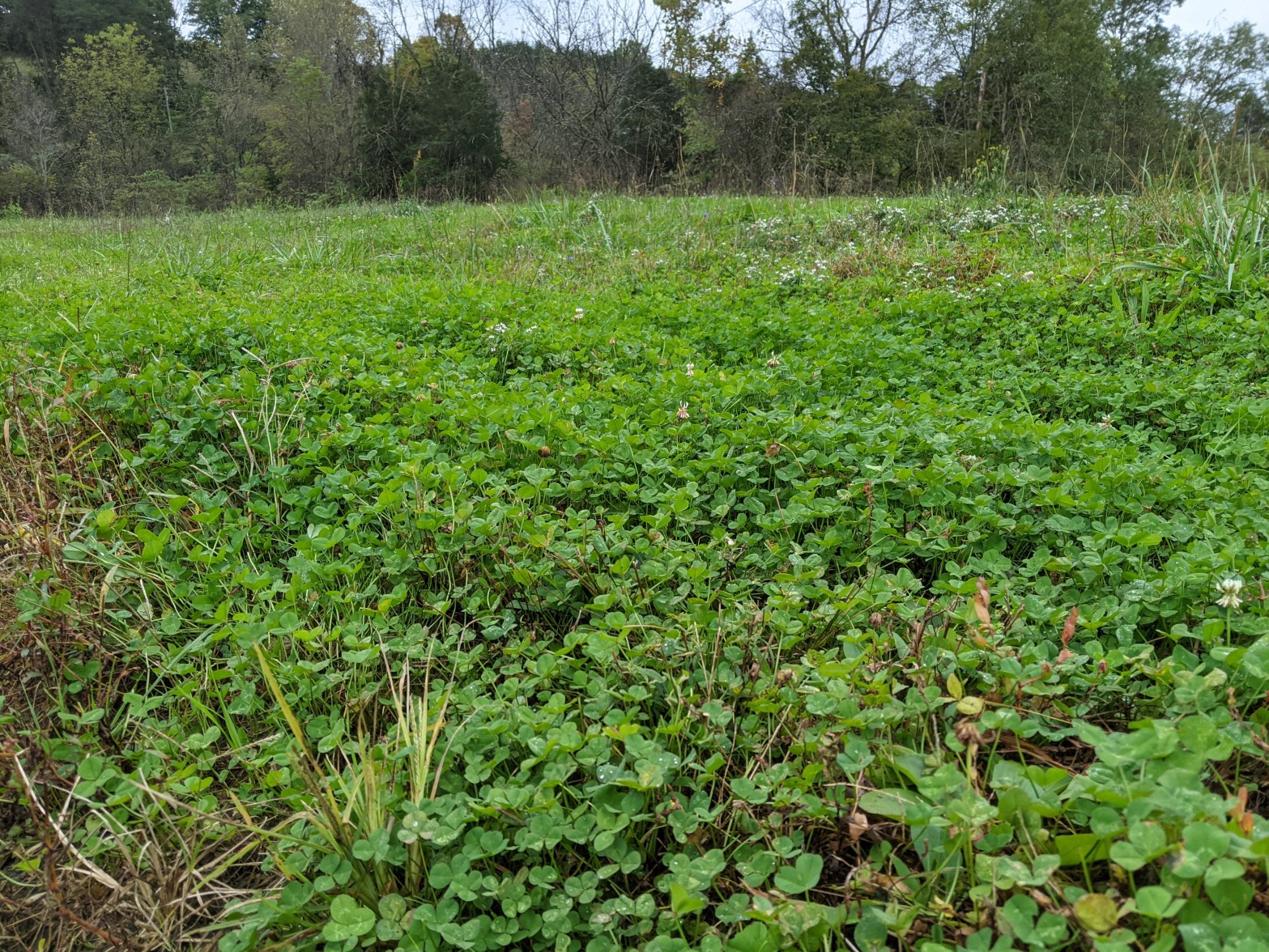
Food will be the apex of attraction to your land. According to many studies from around the United States, it is commonly believed that the average Whitetail deer will eat 6-8% of their body weight every single day. That may sound like an underwhelming number, but allow me to show you how that plays out. Let’s use round numbers for the sake of simplicity. Imagine you have a doe that weighs 100 pounds. If that doe eats 7% of her body weight every single day, that is 7 pounds of food per day. But think about what this looks like throughout the year: 7 pounds of food for 365 days comes out to 2,555 pounds of food for that one doe every single year. Now imagine you have a 200-pound buck using your parcel. He will actually need 5,110 pounds of forage throughout the year just for himself.
Here is my challenge to you: Go outside and pick up some green leaves, a few blades of grass, and a couple of acorns. It won’t take long to realize that what you are holding is nowhere close to the 7-14 pounds of food they need to survive every day. In addition, according to a 2012 study by Sarah Pabien, she concluded that only about 13% of native vegetation is classified as “deer food.” So consider how much vegetation it takes to support a large and healthy deer herd. On top of all that, the amount of vegetation you need to support the dietary habits of your deer multiplies with every single new deer you have on your property.
Because of this, I don’t like to approach the conversation of a property’s effectiveness in terms of, “This property can hold ‘x’ amount of deer.” This is problematic because it puts a bigger emphasis on the number of deer rather than on the health of the deer herd. I grew up with two brothers so I know what it’s like not to have enough food to feed all of the mouths at the table. There were many times I went to Wendy’s to get more food to finish up my meal. My mission for your land is that your herd doesn’t need to go to Wendy’s (your neighbor’s property) in order to get enough food to survive.
Instead of thinking about a property as “it can hold ‘x’ amount of deer”, I think about a property as “it has the carrying capacity of ‘y’ pounds of deer.” This takes the emphasis off of the number of deer and puts it on the health of the deer. I don’t know about you, but I would rather have ten 150-pound deer than fifteen 100-pound deer. This approach benefits your land’s social pressure, milk development in does, antler growth in bucks, and buck-to-doe ratio (but that’s a whole different blog) which will impact how your herd behaves during the rut.

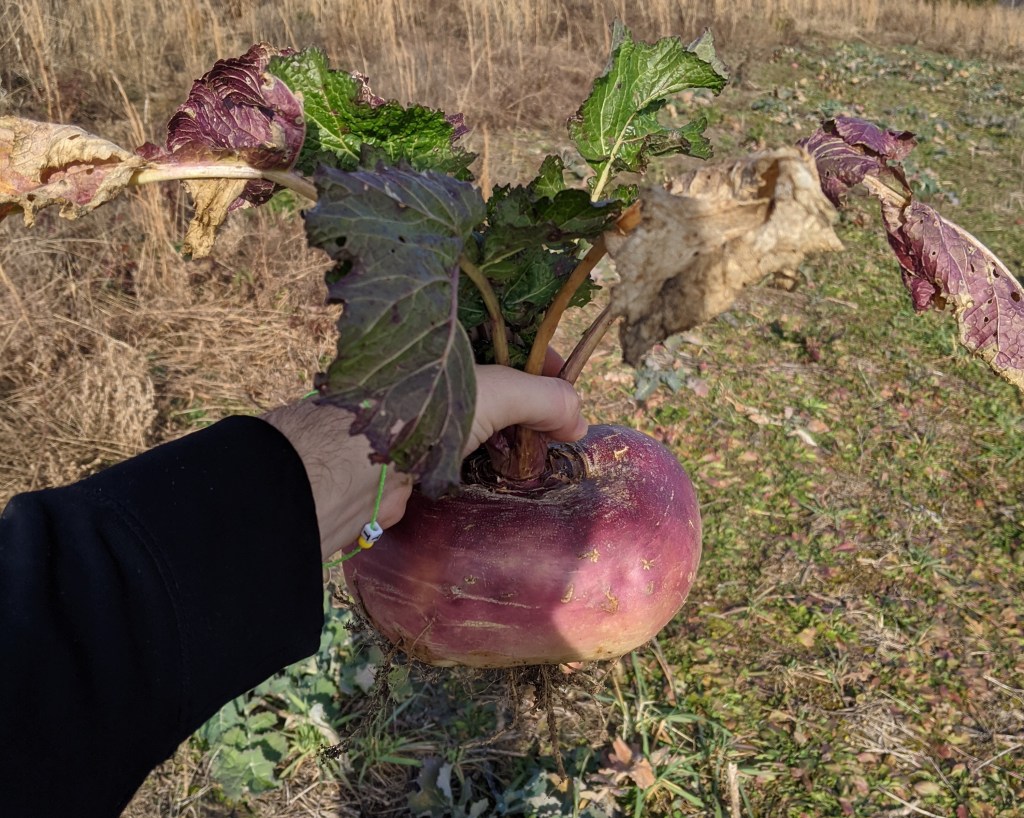
I don’t think it is an exaggeration to say that if you want to grow a healthy deer herd, you need to put a lot of thought into how you can increase the quality of deer food on your property. What qualifies as quality deer forage is not only food plots but early successional growth, briars, acorns, soft mass, shrub tips, and so much more.
One of our main objectives here at GLC is to provide you with creative and effective ways to increase the amount of “deer food” your land can produce. We will partner with you to achieve this goal by consulting in where and what to plant in your food plots, maximizing the browse in your bedding areas, and making recommendations for timber management. We want to equip you to maximize the total amount of food on your property so that you can experience the magic of hunting a healthy deer herd.
 Genetics Land Consulting